



Based in Regents Park and looking to restore your furniture?
When it comes to restoring or finishing wood surfaces, the choice between French polishing and modern finishing can make all the difference. It affects not only the style, but the longevity and value.
Whether you’re renovating a period home in Regents Park or updating furniture in a Notting Hill flat, understanding the pros and cons of each method helps you make the right call. Prestige French Polishing offers both services and are always happy to help you make the right decision.
What Is French Polishing?
French polishing is a traditional hand-finishing technique using shellac and alcohol, applied in thin layers with a rubbing pad. It produces a high-gloss, deep finish that enhances the natural grain of wood.
This method dates back to the 18th century and is still prized for its luxurious, mirror-like finish. It’s especially popular for antique or high-end pieces made from wood.
What Is Modern Finishing?
Modern wood finishing typically involves synthetic lacquers, varnishes, or polyurethane coatings. These are often sprayed or brushed on and offer a more durable, scratch-resistant finish. They can range from matte to high-gloss, and they cure faster than traditional polishing methods.
Differences in Appearance
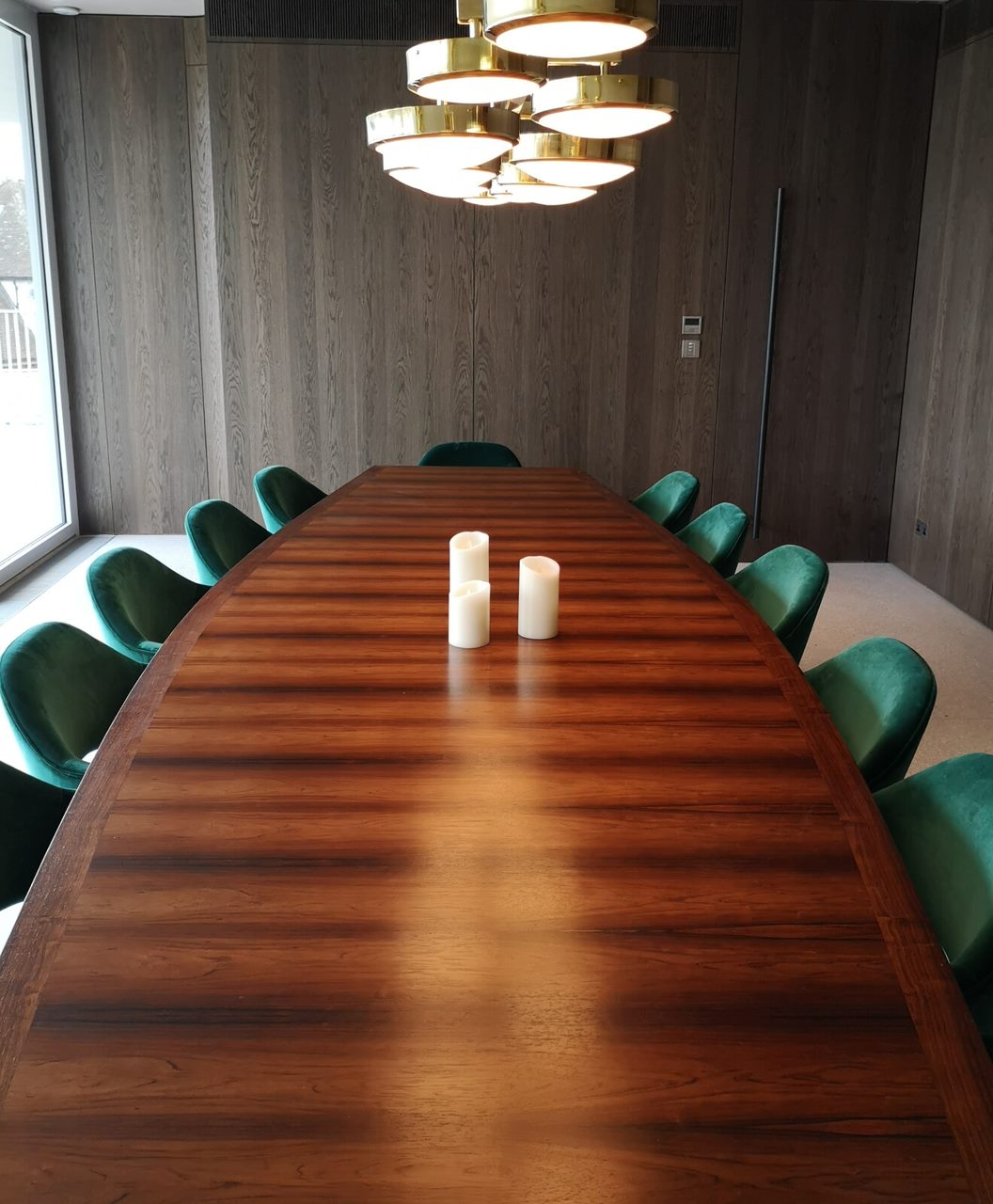
If you’re aiming for authenticity and timeless elegance, French polishing is the ideal choice. The finish is warm, rich, and unrivalled in terms of depth. That’s why it’s often used for period furniture restorations in London.
Modern finishes, while versatile, often lack that depth and richness. They work well in contemporary settings where functionality and durability may take precedence over craftsmanship.
Durability and Maintenance
Here’s where modern finishing has an edge. It’s more resistant to water, heat, and everyday wear – ideal for high-traffic areas or families with kids and pets.
That said, a professionally applied French polish can last years with the right care. And unlike synthetic finishes, it’s easier to repair – surface damage can often be spot-treated without stripping the whole piece.
Environmental and Health Considerations
French polishing uses fewer harsh chemicals, making it a more environmentally conscious option. It also doesn’t give off gases the way some synthetic finishes do, which may be a concern in London flats which have less space.
The Price and How Much Skill is Required
French polishing is hard work and requires specialist skills; it’s not something suitable for DIY. If you’re based in Regents Park or the surrounding areas and looking for high-quality craftsmanship, it’s a worthwhile investment.
Modern finishes are faster to apply and less costly. If you have a newer property or commercial space in London, this can be more practical.
So, Which Should You Choose?
If your property in London features original woodwork, antique furniture, or you love that classic charm, French polishing is the clear victor. For contemporary furniture, kitchen cabinets, or projects on a smaller budget, modern finishes offer a great alternative
Looking for a skilled French Polisher in Regents Park? Prestige French Polishing brings decades of expertise in restoring wood to its finest. Based in Notting Hill, we serve homes across Central and West London with unmatched attention to detail.
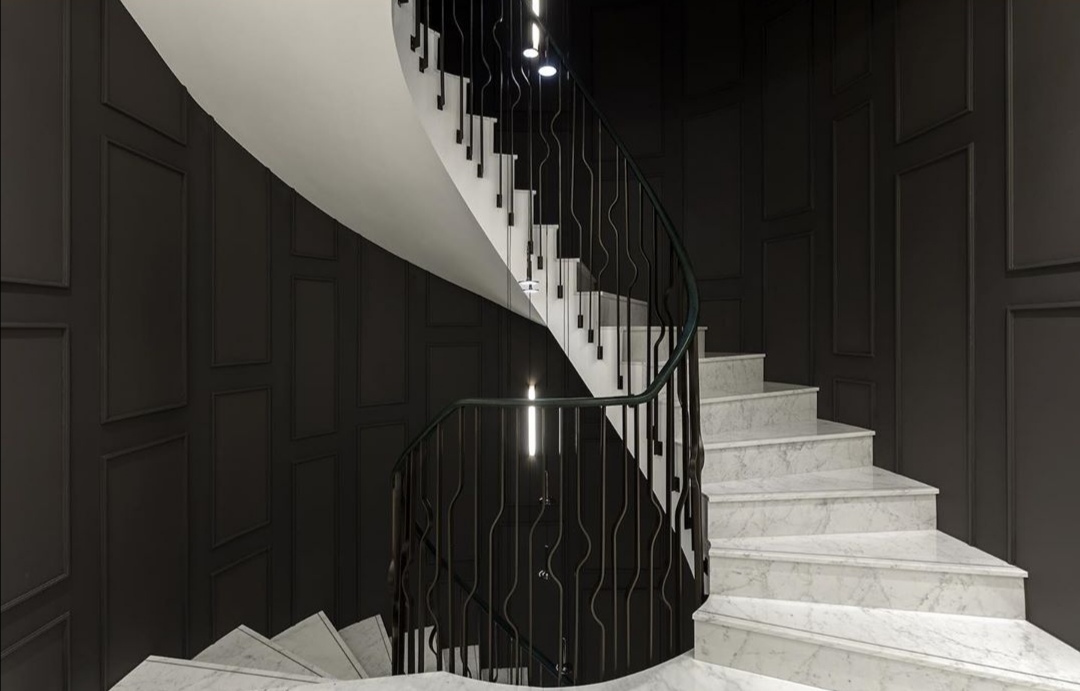
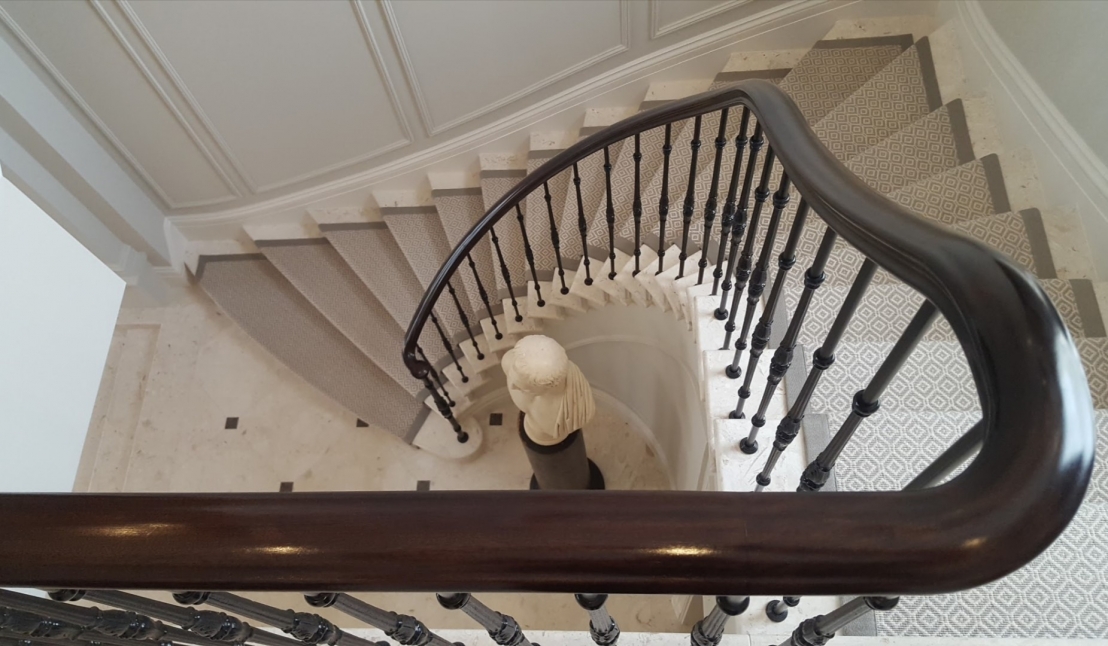
Whether you’re reviving a Victorian staircase or restoring a Georgian dining table, we deliver results that last- and truly dazzle.
Contact us today to transform your furniture the traditional way.