



When wooden furniture is restored, the best finish depends on the age of the piece, how it will be used, the type of timber, and the look you want to achieve.
Some furniture suits a traditional French polish, while other pieces may need lacquer, oil, wax, staining or colour matching to ensure it both looks beautiful and is well-protected.
At Prestige French Polishing, we help clients choose the most suitable finish for their furniture, joinery and woodwork. We have been working across London for over 25 years, including areas such as St Johns Wood, Kensington, Knightsbridge, Chelsea, Notting Hill and surrounding locations.
Our work covers everything from fine furniture restoration to handrails, floors, fitted joinery, marble restoration and specialist repairs.
Why Does the Finish Matter?
The finish is not just the final shine on a piece of furniture. It affects how the wood looks, how it feels, and how well it stands up to daily wear-and-tear.
A dining table, for example, needs a finish that can cope with being used by your household every day. It needs to be suitable for cleaning and occasional spills. Meanwhile, a decorative antique cabinet may need something more delicate that protects the surface while keeping its original character.
We always look at the condition of the furniture before recommending a finish. Scratches, chips, ring marks, fading, water damage and old polish can all affect what needs to be done. In some cases, a careful touch-up is enough. In others, the surface may need more detailed restoration, colour matching or refinishing.
Is French Polishing the Best Option?
French polishing is a traditional technique that can create a deep, rich and elegant finish. It is often used on antique furniture, period woodwork and high-quality pieces where the look of the timber is crucial.
At Prestige French Polishing, French polishing is one of our main services, as our name suggests! We use traditional methods as well as modern alternatives, depending on what the furniture needs. French polishing can be ideal when you want to revive a tired table, restore a handrail, refresh a piece of joinery or bring back the warmth and depth of the wood.
However, it is not always the right choice for every item. Some heavily used pieces may benefit from a more durable modern finish, especially if they are exposed to regular wear.
When Should You Choose a Lacquer Finish?
A lacquer finish can be a good option for furniture that needs a smooth, hard-wearing surface. It is often chosen for modern furniture, fitted joinery, cabinets, doors and pieces that need a clean, consistent look.
We offer lacquer finishes as part of our wider restoration and finishing services. Lacquer can be useful when a client wants a more contemporary finish, or when the furniture needs stronger protection than a traditional polish may provide. It can also be used with colour spraying, staining or specialist finishing to achieve a particular effect.
Are Oil and Wax Finishes Still Useful?
Yes, oiling and waxing can be very effective, especially if you’re after a natural look. These finishes can enhance the grain of the wood and give a softer, more understated appearance than high-gloss polishing.
An oiled or waxed finish often suits rustic furniture, floors, handrails or pieces where you want the timber to feel natural. We can advise whether oil or wax is suitable based on the type of wood, how often it’s used and the final appearance required.
Can the Colour Be Changed During the Restoration?
In many cases, yes. Colour matching, staining and touch-up work are important parts of furniture restoration. If a piece has faded, been scratched, suffered water damage or no longer matches other furniture in the room, we can often adjust the colour and finish.
At Prestige French Polishing, we offer colour matching, staining, graining, touch-ups, scratch and chip repairs, ring removal and water damage repairs. We can also prepare samples where needed, helping clients choose the right colour, sheen and finish before the main work begins.
What Is the Best Finish for Dining Tables?
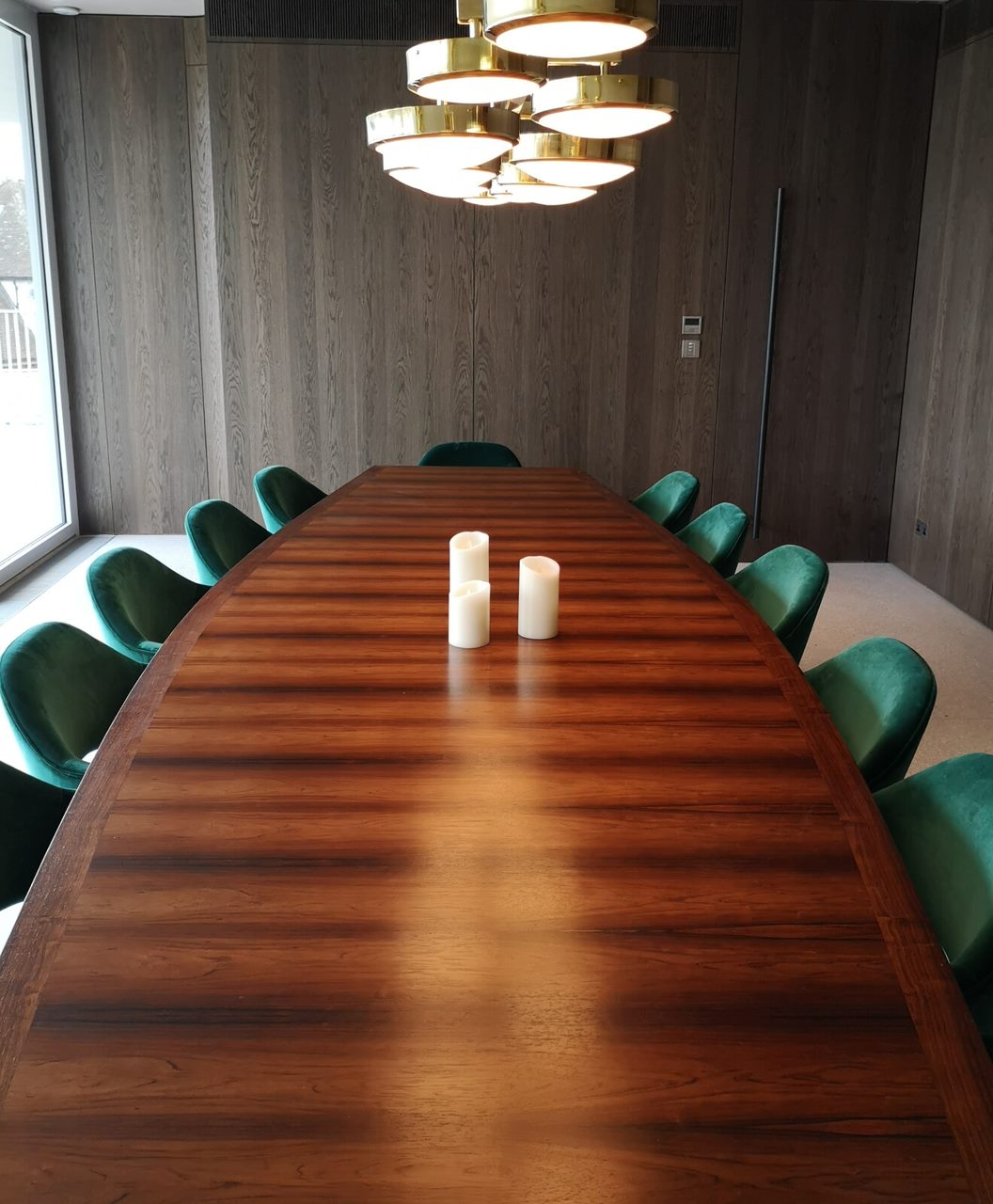
Dining tables usually need a finish that looks lovely but can also handle everyday life. French polishing can look beautiful, especially on fine or traditional tables; but lacquer or another protective finish may be better for busy family homes or frequently used dining spaces.
If your table has white rings, scratches, dull patches or heat marks, we will assess whether it needs a local repair, repolishing or a full refinish. Our aim is always to restore the table properly while keeping the finish practical for the way it will be used.
How Do We Help Clients Choose the Right Finish?
We do not believe there is one finish that suits every piece of furniture. The correct choice depends on the furniture itself and the result that you’re after. That is why we are happy to discuss the process, offer advice and provide samples when required.
Whether you need French polishing, lacquer finishes, oiling, waxing, staining, colour spraying, scratch repairs, chip repairs or water damage restoration, we can help bring your furniture back to life with a finish that suits both the piece and the room it sits in.
Why not check out our gallery to view our previous projects? Or simply contact us for help with your furniture in St Johns Wood.