



Period furniture often bears ‘the scars’ of its history. Gentle fading, small marks, changes in colour and worn areas can all contribute to the character of an older piece. However, there is a difference between an attractive natural patina and damage that could continue to worsen.
Deciding whether to restore period furniture or preserve its existing finish depends on its condition, how it’s used and the result you hope to achieve. Professional advice can help you make the right choice without unnecessarily removing the qualities that make the furniture distinctive.
Our furniture restorers in London regularly help clients decide the best way forward for their older pieces.
What Is a Natural Patina?
Patina is the gradual change in the appearance of a surface over time. On wooden furniture, this may include subtle variations in colour, softened edges and a gentle sheen that emerged over the years.
A natural patina can add warmth, depth and authenticity to period furniture. For this reason, restoration should not always mean stripping a piece back or making it appear brand new. In many cases, careful cleaning, waxing, oiling or minor touch-ups can improve its appearance while retaining its original character.
When Is a Restoration Recommended?
A restoration may be advisable when a piece has more than general age-related wear. Deep scratches, chips, water damage, loose joints, ring marks and areas where the finish has failed can affect both its appearance and long-term condition.
Our professional furniture restorers in London can assess whether the furniture needs a complete refinish or a more localised repair. Treating damage early may prevent moisture or a deteriorated surface from causing further problems.
Restorations can also be useful when the existing finish has become uneven, cloudy or discoloured. With careful colour matching and staining, damaged areas can often be blended into the surrounding surface rather than refinishing the entire item.
Choosing the Right Restoration Finish
Different pieces require particular treatments. Traditional French polishing can create a deep, elegant finish that is particularly suitable for many period and antique furniture styles. Other furniture may benefit from lacquer finishes, oiling, waxing or modern protective coatings.
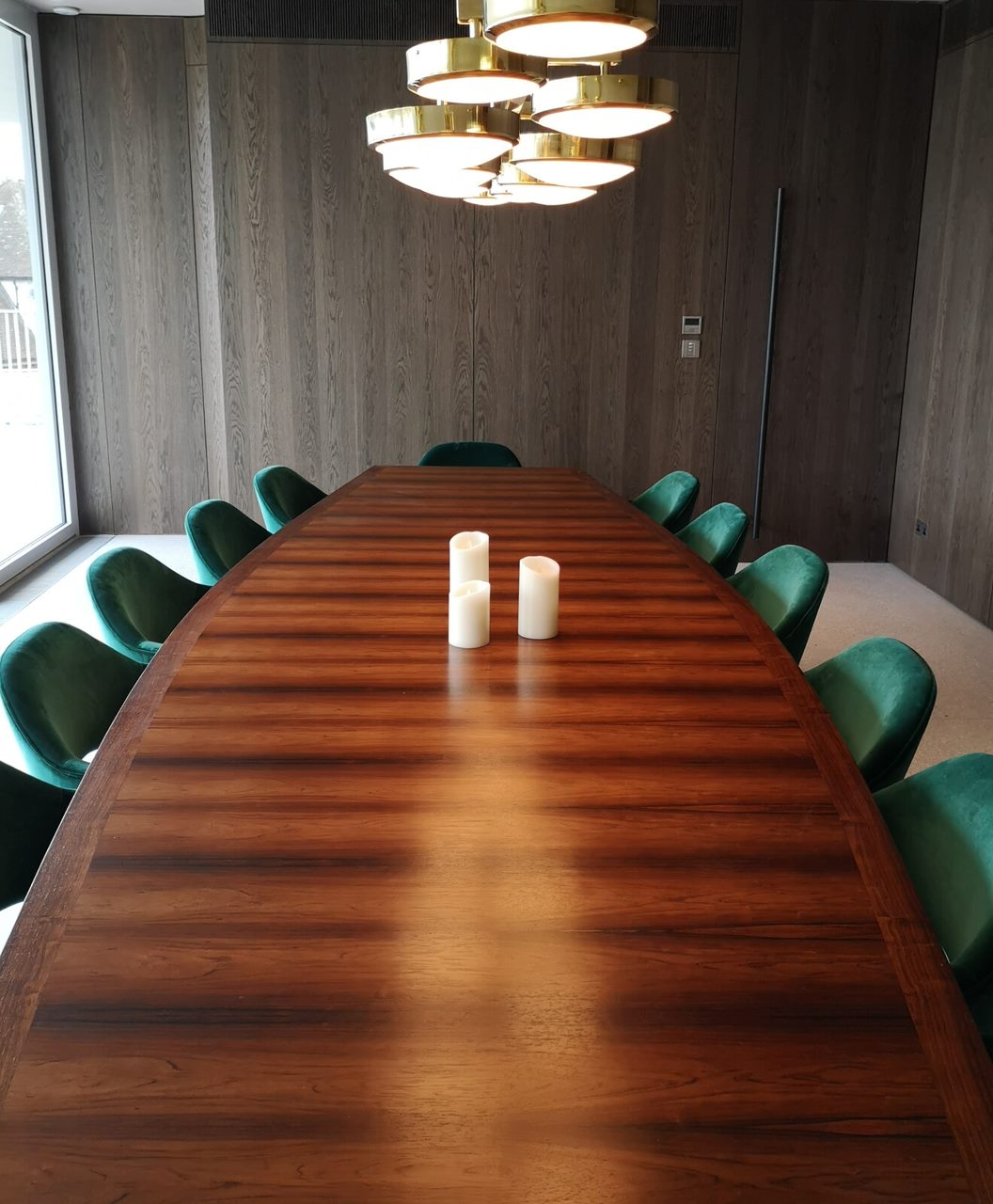
The right choice will depend on the timber, the original finish and how the furniture is used. A decorative cabinet, for example, may require a different level of protection from a dining table that experiences regular use.
Specialist Restoration from Prestige French Polishing
Prestige French Polishing offers a wide selection of traditional and modern restoration services across London. Our team can assist with French polishing, joinery and furniture repairs, colour matching, staining, lacquer finishes, oiling, waxing and colour spraying.
Our services also include scratch and chip repairs, ring removal, water damage restoration, touch-ups, graining and specialist Magicman repairs. Samples can be produced to help clients compare colours, sheen levels and finishes before deciding on the final result.
By taking a considered approach, Prestige French Polishing can restore damaged furniture while preserving the age, detail and character that make each period piece unique.