



White marks on your wooden table can be frustrating, especially when they seem to appear suddenly. The good news is that in many cases, the damage is limited to the surface finish rather than the timber itself.
At Prestige French Polishing, we regularly restore dining tables, desks, sideboards and other wooden furniture affected by heat, moisture, scratches and worn finishes. As experienced furniture restorers in London, we can assess the damage and recommend the most appropriate repair.
Here are seven common types of surface damage we see.
1. White Water Marks
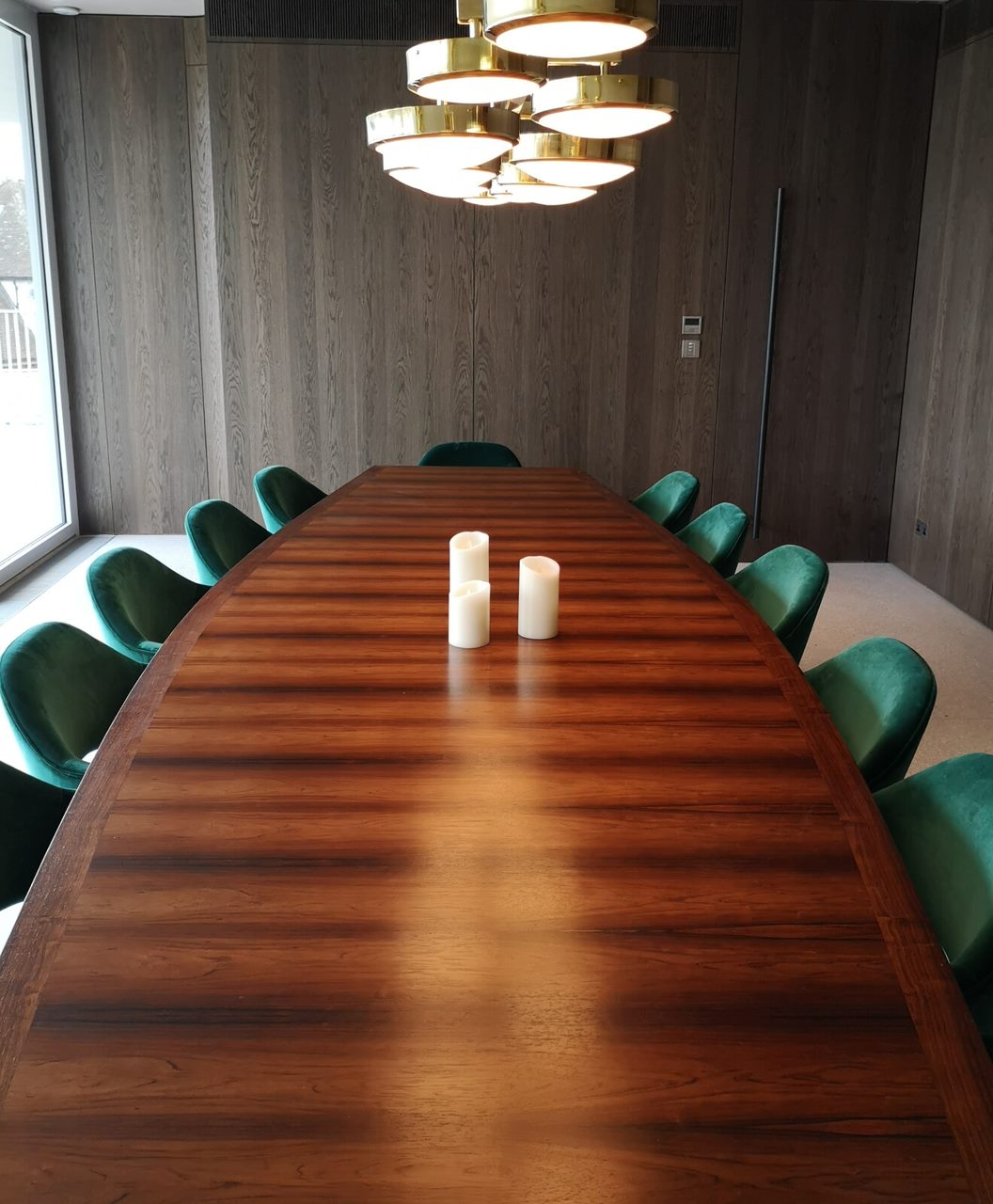
White rings or cloudy patches are often caused by moisture becoming trapped in the finish. They are particularly common on polished dining tables where glasses, mugs or vases have been left directly on the surface.
Depending on the severity, removing water marks can sometimes be carried out without completely refinishing the furniture.
2. Heat Marks
Hot plates, cups and serving dishes can leave pale or white marks on polished wood. These are usually caused by heat affecting the existing coating.
Having wood furniture professionally restored can often reduce or remove these marks while retaining as much of the original finish as possible.
3. Scratches
Light scratches may only affect the top layer of polish, while deeper scratches can cut through into the stain or timber beneath.
Our furniture repair services in London include careful colour matching and touch-up work to help blend damaged areas into the surrounding finish.
4. Cloudy or Milky Finishes
A finish can become cloudy because of moisture, age or deterioration within the coating itself. Rather than simply polishing over the problem, we first identify what has caused the discolouration.
5. Faded Areas
Sunlight can gradually alter the colour of wooden furniture, particularly where one part of a table receives more direct light than another.
Through specialist furniture refinishing, staining and colour matching, we can often restore a more even appearance.
6. Worn Polish
Frequently used areas can become dull or patchy over time. Table edges, corners and the areas around handles are especially prone to wear.
Traditional French polishing or another suitable finishing method can restore depth, sheen and protection to the surface.
7. Chipped or Damaged Finish
Small knocks can cause lacquer, polish or veneer finishes to chip away. These areas often need more than a simple cosmetic touch-up if the damage has exposed the material underneath.
At Prestige French Polishing, we provide professional wood restorations, furniture touch-ups, French polish repairs, colour matching and the refinishing of surfaces across London.
If you have white marks, scratches, heat damage or a tired finish on a favourite piece, we can assess the condition and advise whether a localised repair or more complete restoration is the best approach.